Case Study · Health & Wellness
A $20 contrast therapy offer, backed by Meta ads and GoHighLevel.
How we built an introductory-offer Meta Ads funnel for an Oceanside, CA longevity spa — a paid first session that filters intent and offsets part of the ad cost per booking.
- ~$5
- Cost per lead
- ~$40
- Ad cost per paid booking
- $20
- Introductory session price
- 50%
- Booking ad cost offset by session revenue
The Client
A premium longevity spa looking for new members.
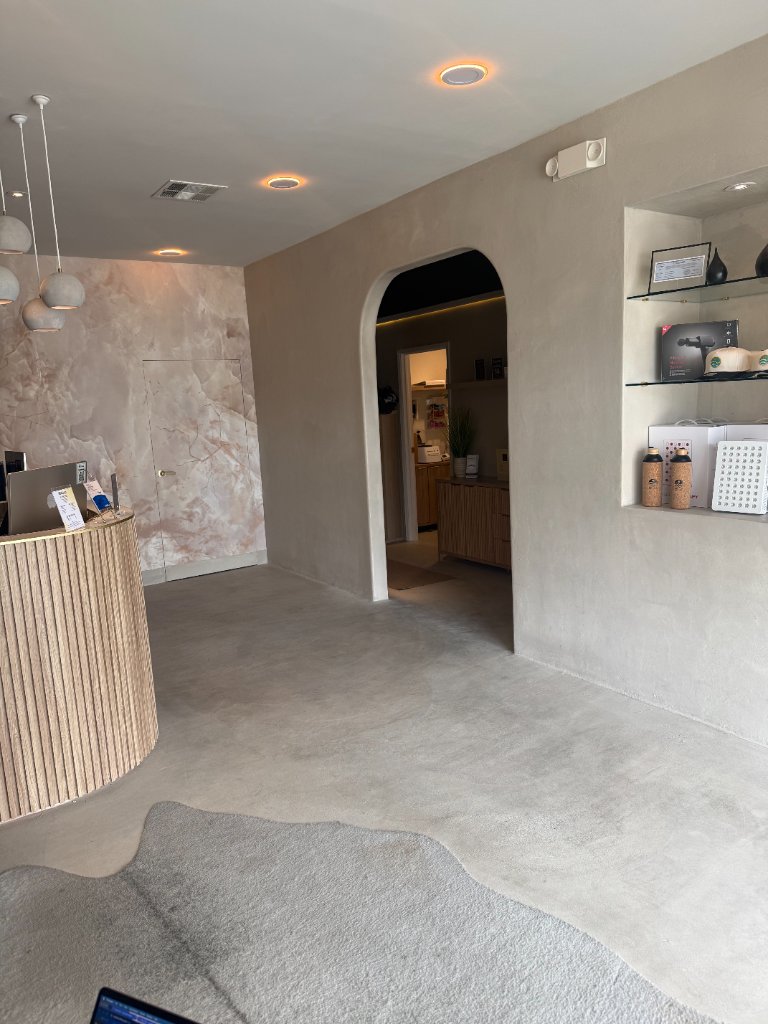
Our client operates a high-end longevity spa in Oceanside, California — infrared saunas, cold plunges, compression therapy, a hyperbaric oxygen chamber, and a float tank. Like most wellness businesses, the real economics live in recurring memberships, not one-off visits.
The problem: nobody buys a monthly commitment from a cold Facebook ad. And free trial offers attract exactly the wrong crowd — freebie-seekers who show up once, use the amenities, and never return.
The Strategy
Charge for the trial. Let the offer filter the audience.
Instead of a free pass, we built the campaign around a $20 paid trial: a 45-minute contrast session (infrared sauna + cold plunge). Twenty dollars is low enough that a cold audience will say yes on impulse — but the act of paying does two things a free offer never can:
- It pre-qualifies intent. Everyone who books has already spent money on their own recovery.
- It offsets part of the ad cost. Each booked session collects a $20 session fee that goes back against the media spend for that booking.
The membership conversation happens where it belongs: in person, after the prospect has just experienced a contrast session first-hand.
The Funnel
Meta Ads to booked, paid appointment in one sitting.
We ran conversion campaigns on Meta pointed at a custom-built landing page — not the spa's main website. The page does one job: pick a date, pick a 45-minute slot, pay. Payment (Apple Pay or card) is collected at the moment of booking, so there is no no-show gap between “interested” and “committed.”
Behind the page, GoHighLevel handles confirmations, reminders, and follow-up automation, while the Meta pixel tracks the full event chain — Lead, InitiateCheckout, Purchase — so the algorithm optimizes for people who actually pay, not people who click.
The Results
Approximate, campaign-specific numbers.
On this campaign, leads came in at approximately $5 per lead, and the ad cost per paid booking was approximately $40. Each booked session collected a $20 introductory session fee, so the session revenue offset roughly 50% of the ad cost per booking.
The remaining $40 minus $20 leaves approximately $20 of unoffset advertising cost per booking — and that is before any operating or treatment costs. The first visit does not break even on its own.
Repeat visits and memberships are where the business would recoup that cost and turn profitable, but those are opportunities, not guaranteed results. The figures above describe what happened on this specific campaign; they are not a guarantee of what any other business will see.
Why It Works
Three principles you can steal.
- A paid intro offer beats free trials. A $20 paid booking filters for intent better than a free pass, and the session revenue offsets part of the ad cost per booking.
- Optimize for payment events, not clicks. Feeding Meta real Purchase events trains the algorithm to find buyers, not browsers.
- Start the membership conversation after the experience. The commitment decision belongs in the spa, post-session — the moment the value is most tangible.
Want an introductory offer built around your economics?
Book a free strategy call and we’ll discuss adapting an introductory offer to your services, capacity, and economics.
Book a Free Call
